Origami Wheel
• In 2021, I came across a series of papers on transformable origami wheels developed by the Biorobotics Laboratory at Seoul National University. I learned to replicate their design by following the lamination process to form a flattened wheel outlined in a paper by Lee et al. However lacked access to a laser cutter to produce individual facets and cut them by hand. This was a tedious process, and lead me to develop a more efficient solution.• My solution used a sheet of tulle sandwiched by FDM printed rigid facets. To achieve this I added custom G code to print files, final result was much more uniform than my laminated version. Additionally, wheel stiffness could be a easily ajdusted by modifying the gap between facets in CAD. This manufacturing process also allows for the addition of 3D features to improve wheel traction and load bearing.
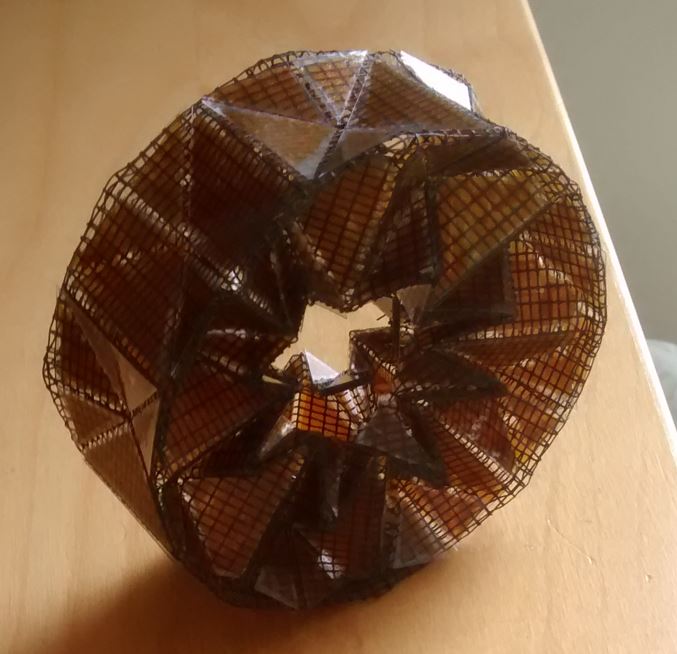
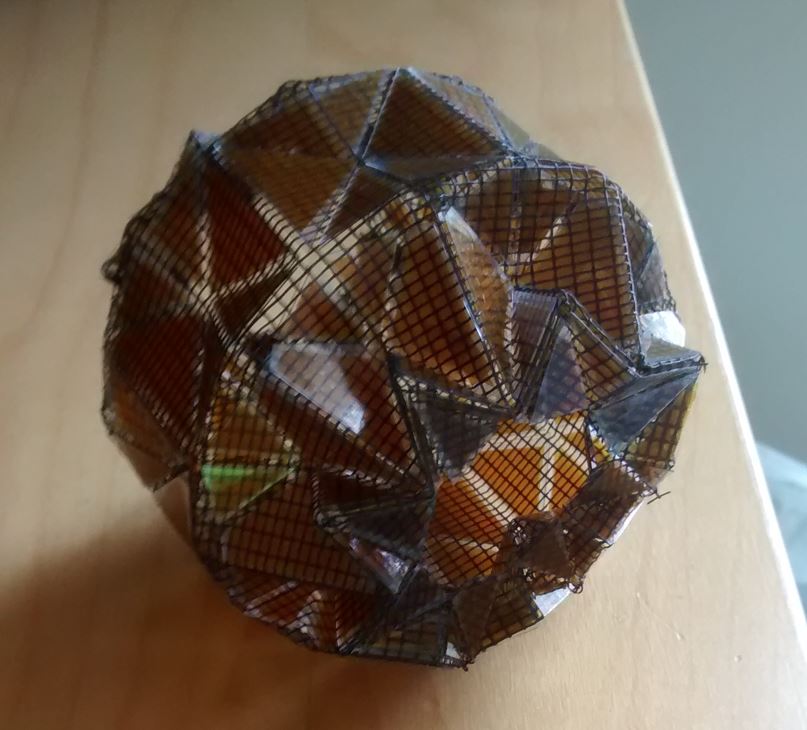
The laminated wheel I made was assembled from PET facets bonded to screen door mesh with a heat activated adhesive tape. I had screen door mesh on hand and the large holes resulted in good adhesion between both sides of the 2D pattern. It was difficult to get consistent spacing as I placed each facet on the screen mesh by hand and the process was time consuming.
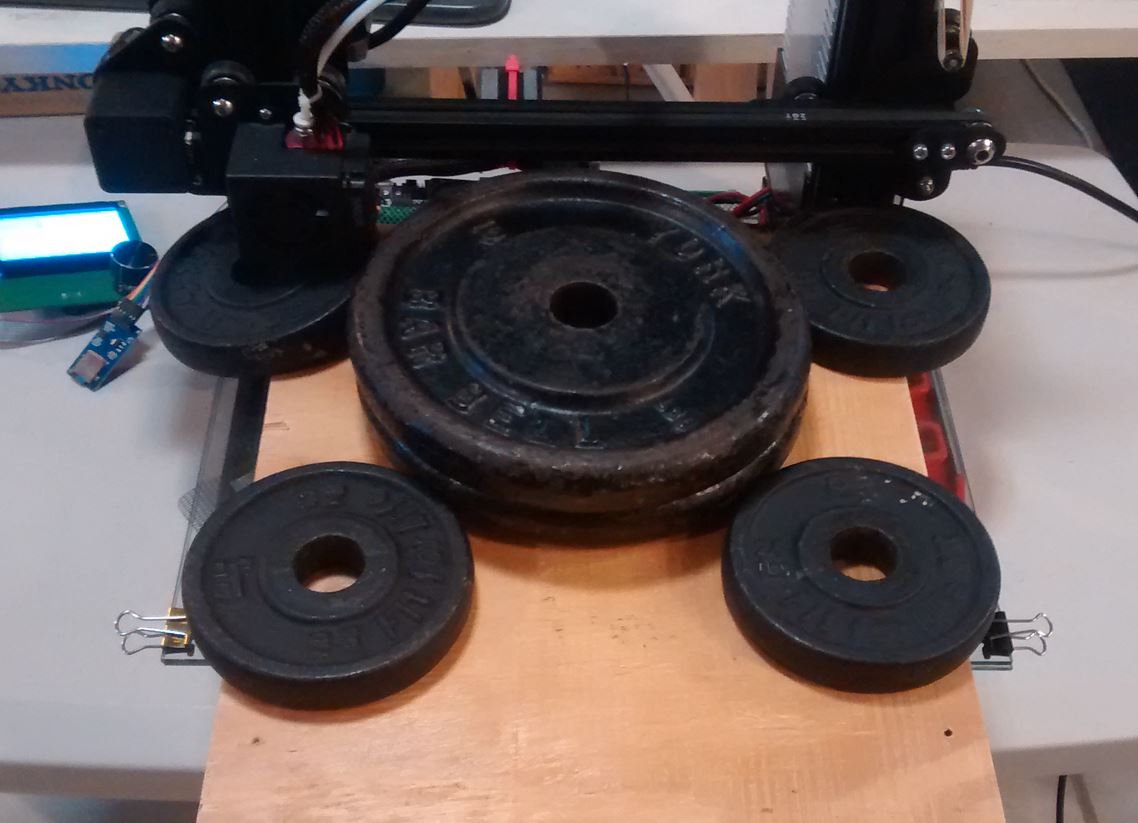
I used a 3D printer bed as a heat source for lamination, and piled weights on the work-piece to further improve bonding between each side.
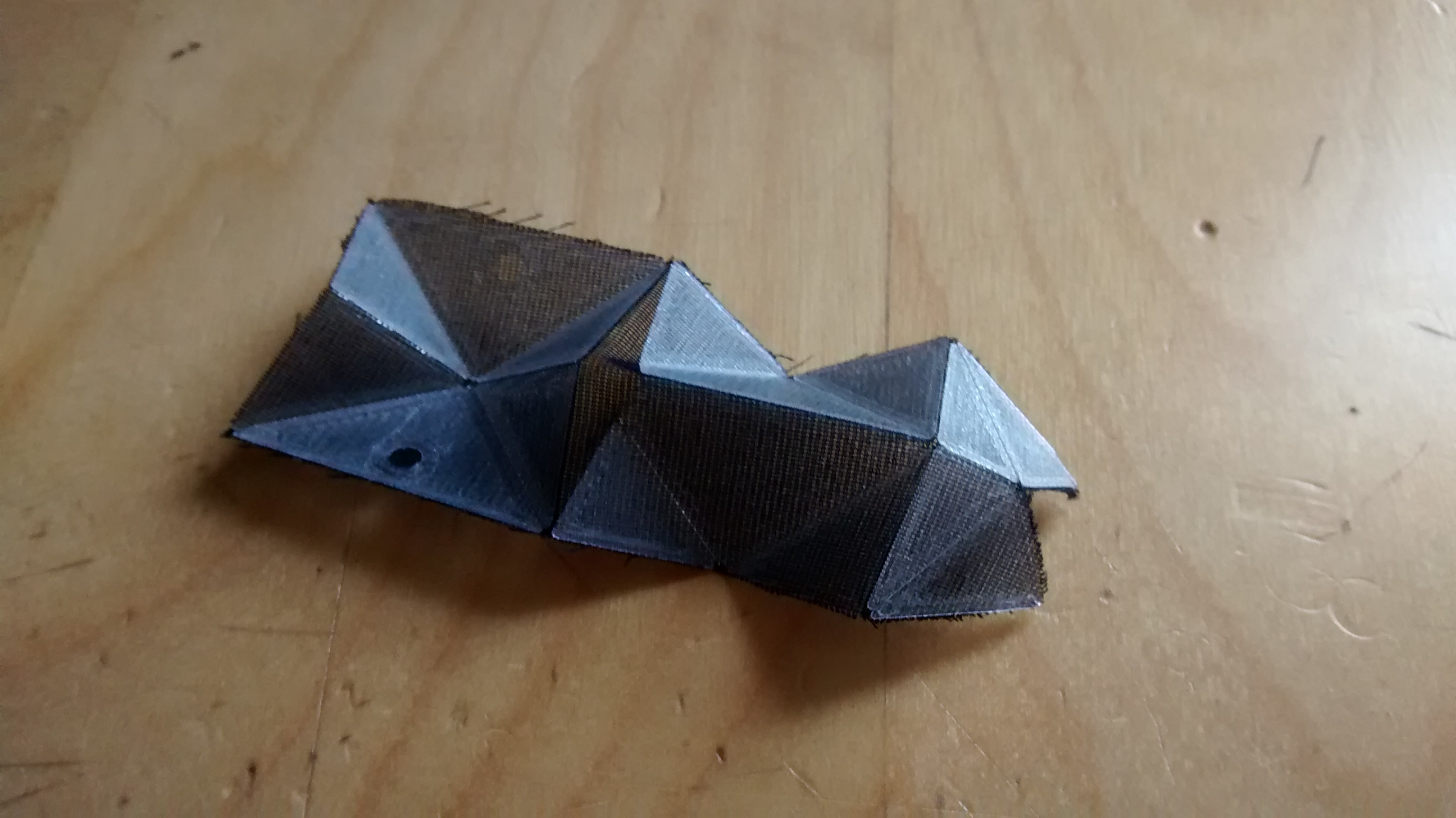
Before printing a whole wheel, I printed a series of test sheets to see what effects layer height and over-extrusion would have on facet adhesion to the tulle membrane. Additionally, I tested different gap sizes between facets. Narrower gaps stiffened the test sheets and wider gaps resulted in looser movement.
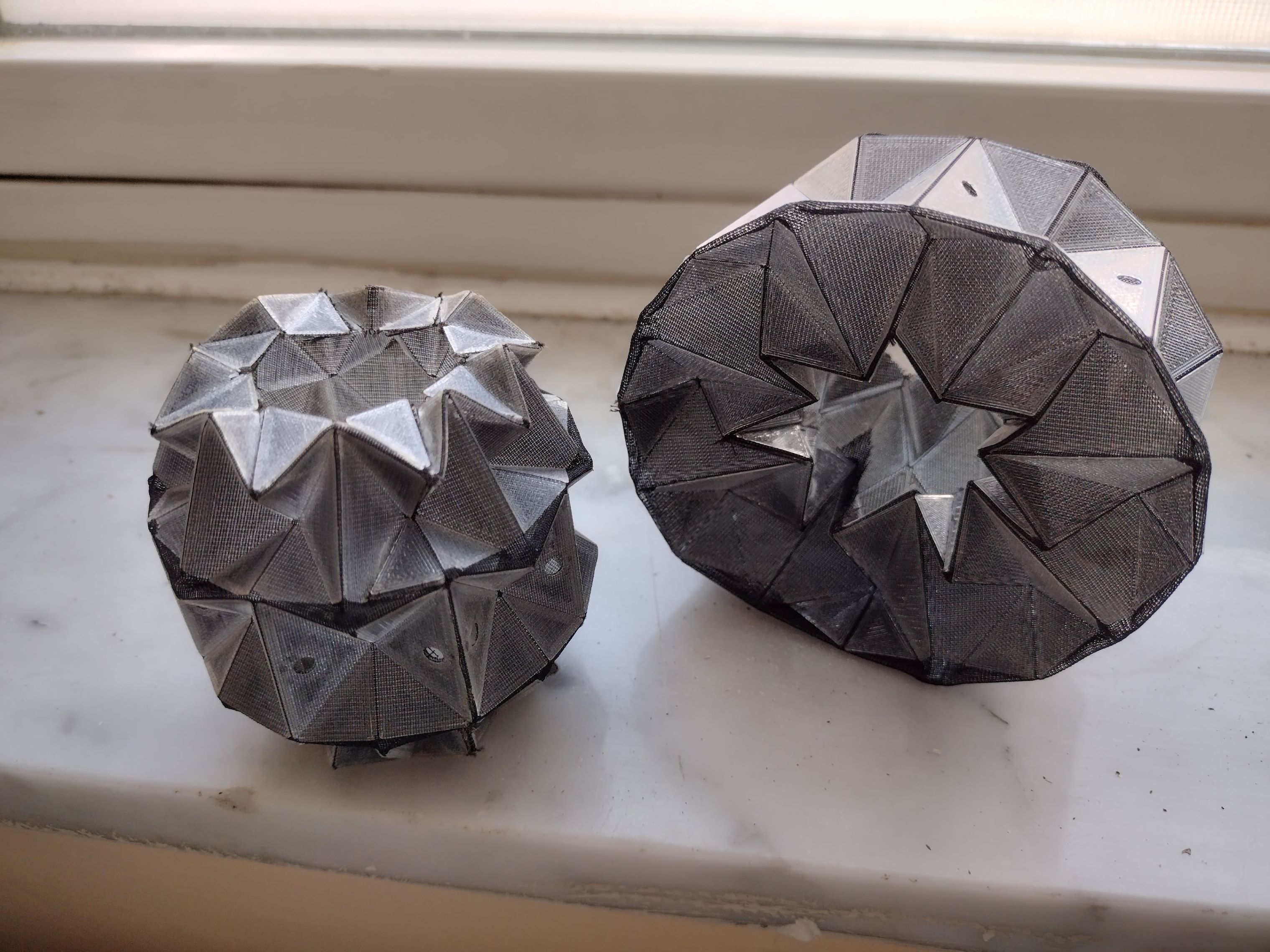
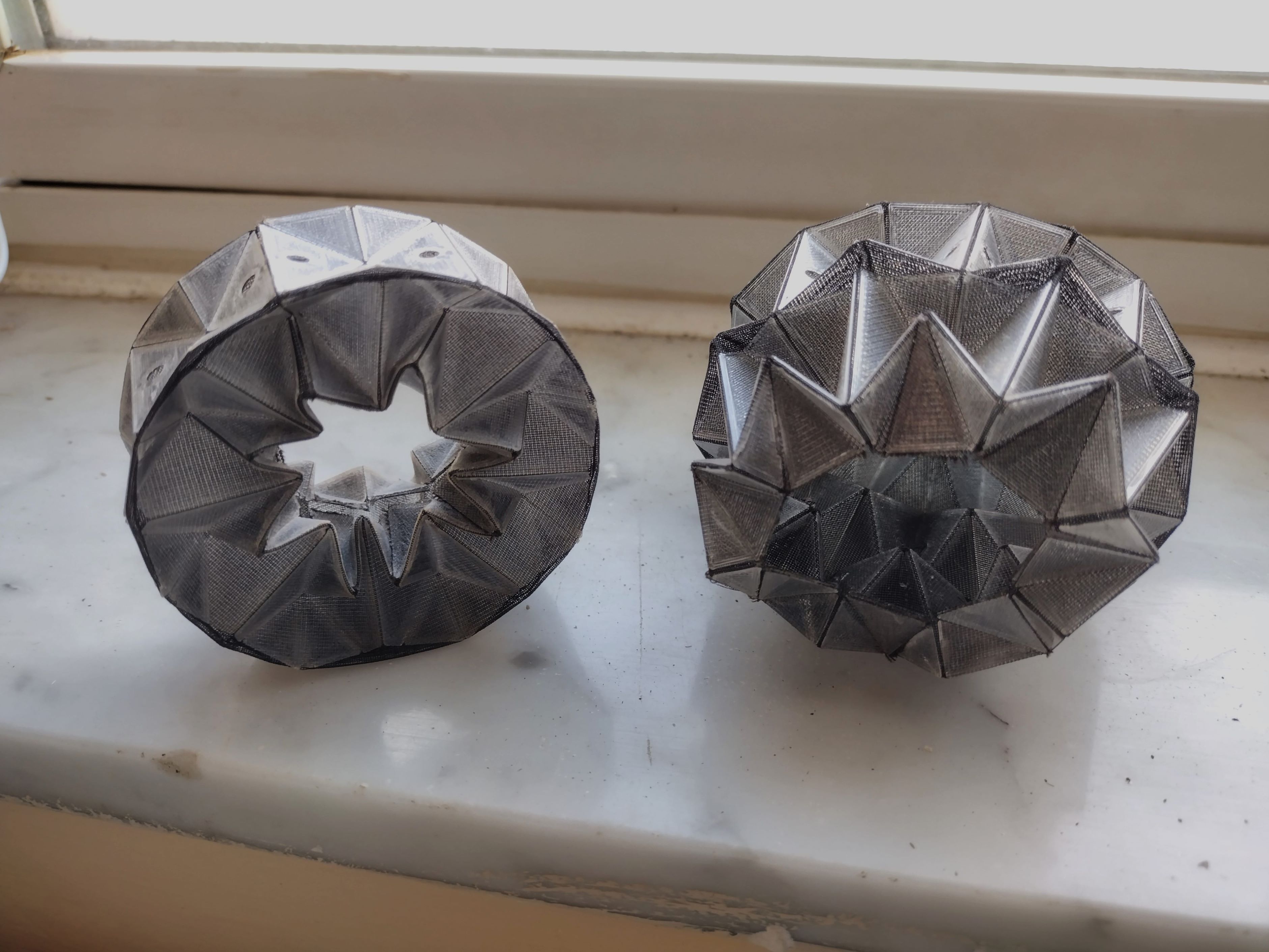
These two wheels show the difference between narrow an wide facet gaps. The smaller wheel has narrower gaps and the the larger wheel has wider gaps.